01
Water Damage Restoration
Rapid assessment and containment when water is actively spreading through a property.
View Service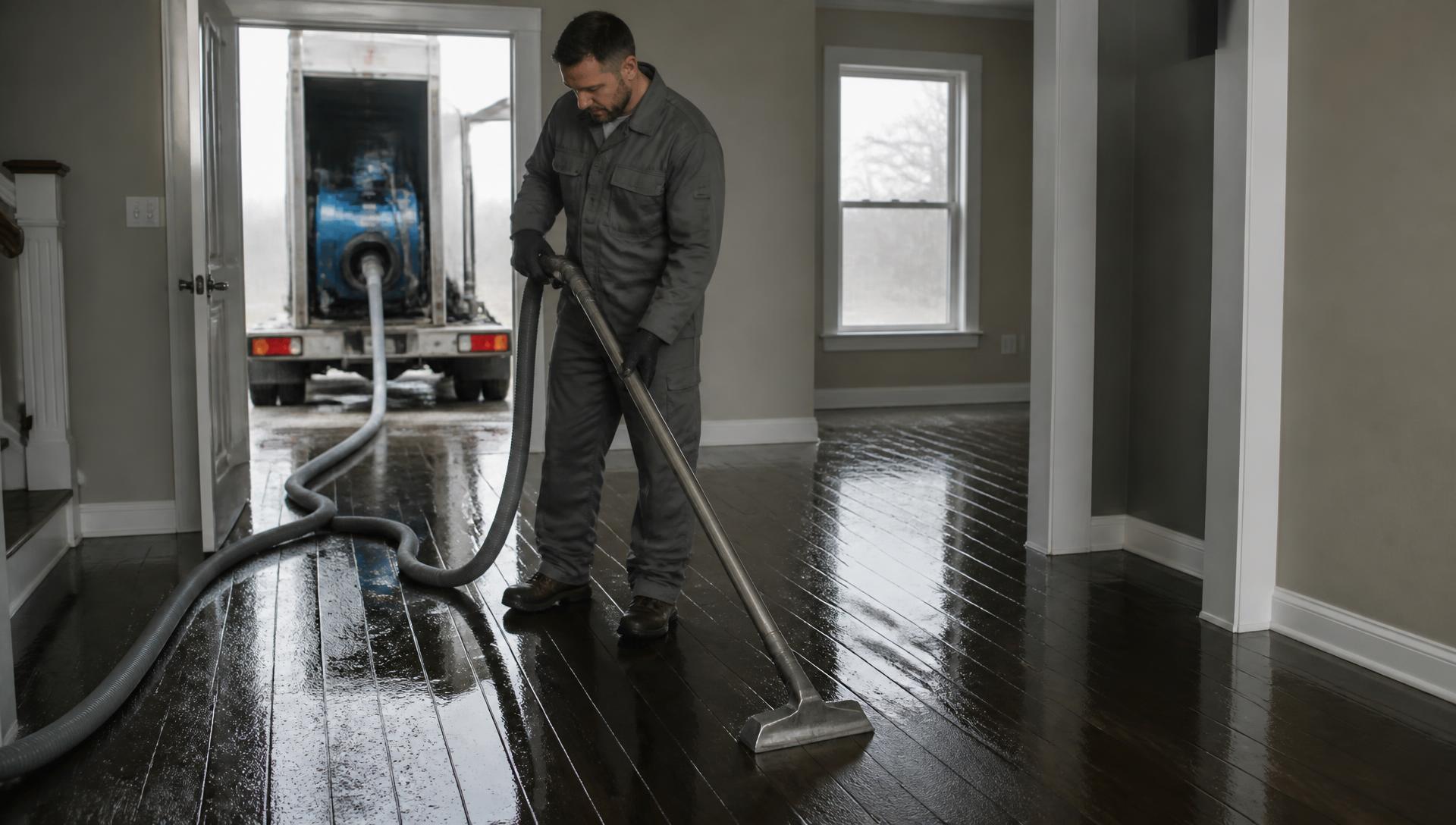
Water extraction, moisture detection and structural drying for residential and commercial properties throughout Oshawa.
Describe what you are seeing and we will explain the assessment options for your property. We do not quote arrival windows before understanding the situation and current schedule.
Call (365) 906-3287Rapid assessment and containment when water is actively spreading through a property.
View ServiceBulk water removal followed by engineered drying with air movers and dehumidification.
View ServiceRemoval of flood water, affected materials and residue, followed by controlled drying.
View ServiceBelow-grade water removal with attention to finished walls, insulation and stored contents.
View ServiceCleanup after supply-line and pipe failures, including water that travels between floors.
View ServiceContaminated water removal with protective controls, cleaning and disinfection.
View ServiceWater removal and drying for offices, retail, warehouses and multi-unit buildings.
View ServiceContained removal of mould-affected materials and correction of damp conditions.
View ServiceSimplified cross-section: water entering above tracks down wall cavities and spreads through the floor assembly.
Water follows the path of least resistance. Within hours it can move well beyond the room where it was discovered, absorbing into materials that show no surface sign of damage.
Absorbs upward through paper facing and gypsum core.
Holds water inside the cavity and loses R-value.
Swells at seams and stays damp under finishes.
Laminate lifts, hardwood cups, vinyl traps moisture.
Toe kicks and particleboard wick water quickly.
Water collects above and spreads laterally.
Framing retains moisture long after surfaces dry.
Boxes and textiles absorb and hold odour.
Moisture meters measure how much water a material holds, while thermal imaging highlights temperature anomalies worth checking. Extraction removes bulk water first, dehumidification pulls evaporated moisture out of the air, and monitored drying confirms progress with readings taken over successive visits rather than by appearance.
We discuss the source, when it was discovered, what has already been done and which areas are affected, so the visit is planned around the actual situation.
A walk-through of affected and adjacent areas identifies visible damage, safety hazards and the building assemblies involved.
Meters and thermal imaging define the wet boundary, including areas that look dry but hold moisture behind the surface.
Standing and trapped water is removed from floors, carpets and cavities before drying equipment is introduced.
Each affected material is evaluated for drying in place or removal, based on porosity, saturation and water category.
Air movers and dehumidification are sized and positioned for the affected volume, then adjusted as readings change.
Surfaces are cleaned and treated, and repair or reconstruction is planned once drying targets have been met.
Closing readings are compared against unaffected reference areas and recorded before equipment is removed.
The exact work required depends on the source, contamination level, affected materials and the extent of water movement through the building.
Every home stores water differently. Finished basements, crawl spaces and utility areas each hold moisture in ways that surface inspection cannot confirm, so drying is planned around the assemblies involved.
Request Residential ServiceCommercial work is planned around assessment, water removal, drying, documentation and communication with the people responsible for the building — owners, tenants and property managers alike.
Request Commercial ServiceTwenty-three services covering water and flood response, sewer and contaminated water, mould and odour, property restoration, and contents and documentation.
Open the Service DirectoryOur business location is 63 King St E, Oshawa, ON L1H 1B4. We do not operate separate offices in surrounding communities.
View service areasCold snaps can freeze water in exterior walls and unheated areas, splitting piping that then releases water once it thaws.
Toilets, sinks and shower assemblies leak slowly at seals and connections, often behind finished surfaces.
Dishwashers, washing machines and refrigerators rely on flexible lines that degrade and fail with age.
Grading, foundation cracks and window wells can direct water below grade during rain and spring melt.
A pump that fails, loses power or cannot keep pace with inflow allows water to rise into the basement.
Damaged shingles, flashing and membranes allow water into attic and ceiling cavities where it spreads unseen.
Intense rain overwhelms eavestroughs, downspouts and municipal drainage, pushing water toward building openings.
Blockages, root intrusion and system surcharge can force contaminated water back through floor drains.
Risers, sprinkler lines and mechanical systems in larger buildings can release substantial volumes quickly.
Deteriorated siding, sealants and window assemblies create paths for water to enter the building envelope.
No two losses are identical. The right approach depends on the source, the materials affected and how long they have been wet.
Keep away from standing water near electrical sources, stop the water at its source if it is safe to do so, move dry belongings out of the area, and photograph what you can see. Then arrange a professional moisture assessment.
Bulk water is removed with extraction equipment suited to the surface, including portable and truck-mounted units for carpet, hard flooring and below-grade areas.
Yes. Surfaces often dry first while insulation, subflooring and framing stay damp, which is why readings rather than appearance determine when drying is complete.
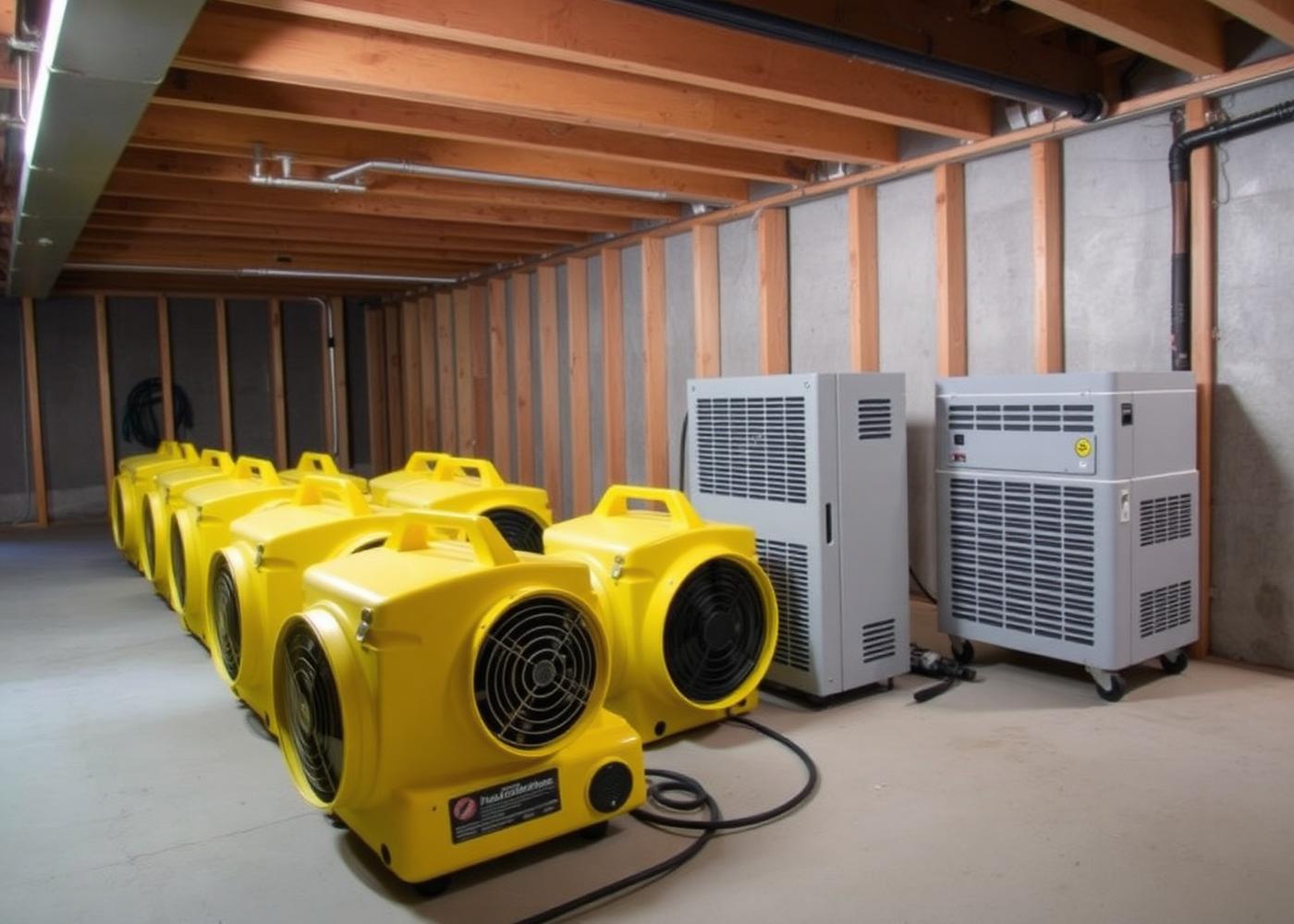
Air movers create surface evaporation, dehumidifiers remove that moisture from the air, and moisture meters with thermal imaging track progress across the affected area.
Sometimes. It depends on the material, how long it stayed wet and the water category. Clean-water losses addressed early are more likely to be dried in place.
Electrical safety is confirmed first, then water is extracted, saturated finishes are inspected and removed where required, surfaces are cleaned, and the space is dried under monitoring.
Yes. It is treated as grossly contaminated water, which requires containment, protective equipment, disposal of affected porous materials and disinfection.
Mould can develop when materials remain damp. Controlling moisture promptly and verifying drying reduces that risk.
It varies with material type, saturation, humidity and the affected volume. Progress is judged by daily readings rather than a fixed number of days.
Photographs, moisture readings by area and date, equipment type and placement, materials removed and the reasons for each decision.
Many items can be cleaned and dried depending on the material and water category. Items are sorted, documented and handled individually.
Yes. We work with offices, retail, warehouses, institutional properties and multi-unit residential buildings, including property-management portfolios.
Oshawa neighbourhoods including Downtown, Central, Eastdale, Donevan, O'Neill, McLaughlin, Lakeview, Northglen, Pinecrest, Samac, Taunton and Windfields, plus nearby Whitby, Courtice, Bowmanville, Clarington, Ajax and Pickering.
Still unsure? Call (365) 906-3287 and describe what you are seeing.
Call to discuss what you are seeing, or send a request and we will follow up to arrange a moisture assessment for your property.